Retail media networks became one of the fastest-growing categories in advertising over the past three years. Retailers built businesses worth billions by placing ads where consumers are actively in a buying mindset. The insight was simple and powerful: proximity to the point of purchase drives conversion. But the next chapter of retail media is not happening on a product detail page. It is happening in the physical spaces where people live, work, and socialize — and the brands paying attention are finding returns that rival anything online retail can offer.
The Logic of Physical Retail Media
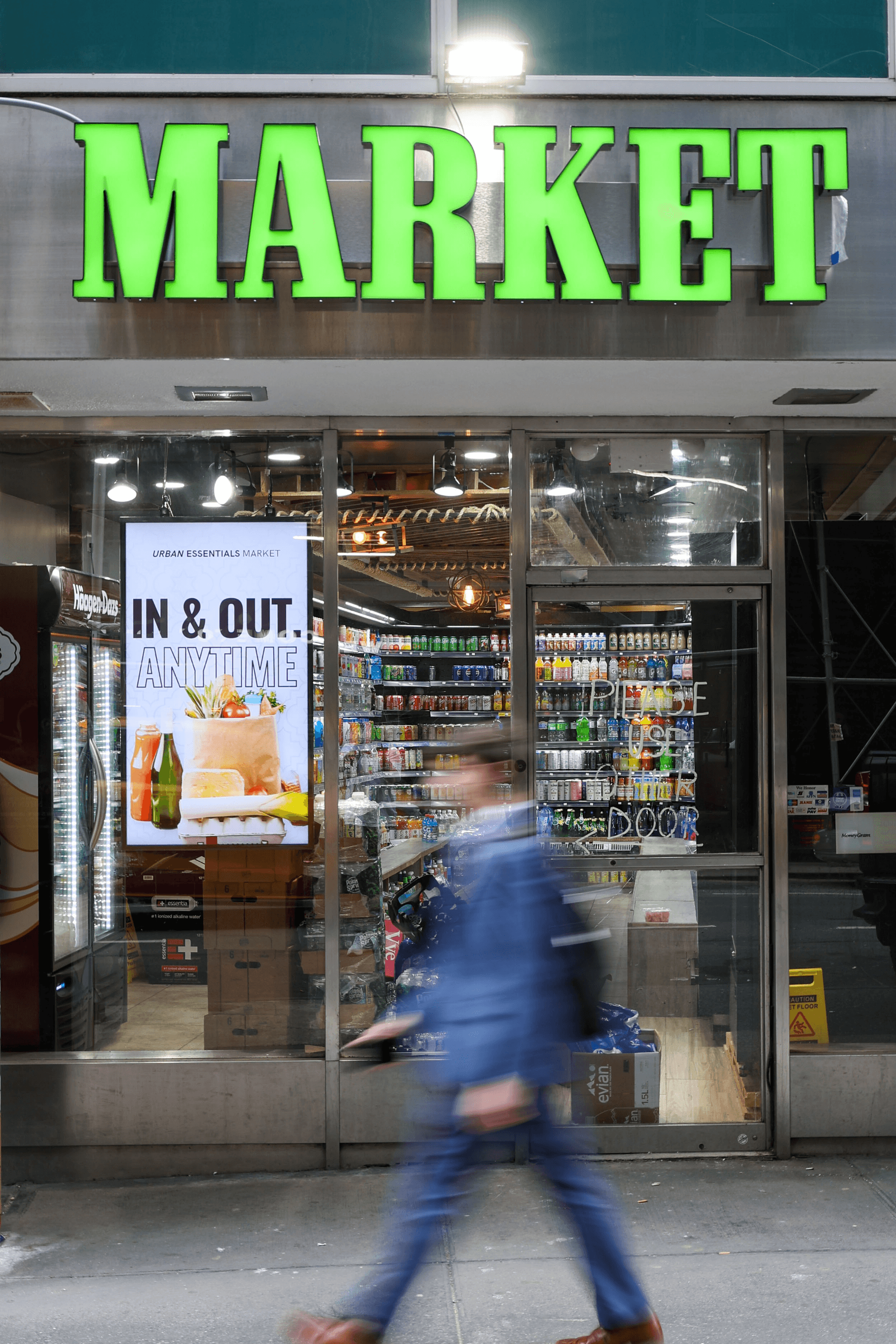
Online retail media succeeded because of context. An ad placed next to a product a shopper is already considering converts at a far higher rate than the same ad served on a news site. Physical retail media extends this logic. A screen in a neighborhood deli is seen by the same person multiple times a week, during moments of low distraction and high receptivity. The consumer is present. They are not scrolling through a feed. They are waiting for a coffee or grabbing groceries. The context is ambient but highly valuable.
Dwell Time as a Media Asset
One of the most undervalued metrics in advertising is dwell time — how long a person is actually present in front of a message. Digital advertising has conditioned the industry to optimize for clicks and impressions at the expense of genuine attention. Physical spaces offer something increasingly rare: time. The average consumer spends between four and twelve minutes in a small-format retail or food-service environment. For brands, that dwell window is an opportunity to build awareness, reinforce messaging, and influence decisions at the moment they are being made.
Who Is Winning
The categories performing best in physical retail media mirror what succeeds in conventional retail media: consumer packaged goods, quick-service restaurants, entertainment, and financial services. But there is a meaningful expansion happening. Health and wellness brands are finding particular traction in gym environments. Alcohol and beverage brands are seeing strong performance in bar and restaurant networks. The diversity of physical venues means the medium can serve a far wider range of categories than traditional out-of-home ever could.
The Data Gap Is Closing
The historical objection to physical retail media — that it cannot be measured — is losing ground. Modern DOOH networks provide play-log reporting as a baseline. Third-party mobile measurement firms can tie screen exposure to in-store visits and, increasingly, to purchase data. The measurement is not perfect, but it is defensible, and it improves every year. For marketers who have grown comfortable with the attribution models of digital advertising, the tools to evaluate physical media are now available and accessible.
The Bigger Picture
The internet gave advertisers an unprecedented ability to follow consumers through their digital lives. But the backlash — privacy regulation, ad blocking, and consumer fatigue — has made that model increasingly expensive and contested. Physical spaces offer a different kind of access: ambient, contextual, and welcome. Advertising on a screen in a neighborhood bodega is not an interruption. It is part of the environment. For brands looking for sustainable, effective reach in an era of digital noise, physical retail media may be the most underpriced inventory available.
Keep reading
More from Sightlines
What Is DOOH Advertising? A Plain-English Guide for Independent Brands
Digital out-of-home is the fastest-growing ad channel almost nobody can explain in one sentence. Here is what it actually is, how buying works, and why the economics finally make sense for brands that are not national.
Read post→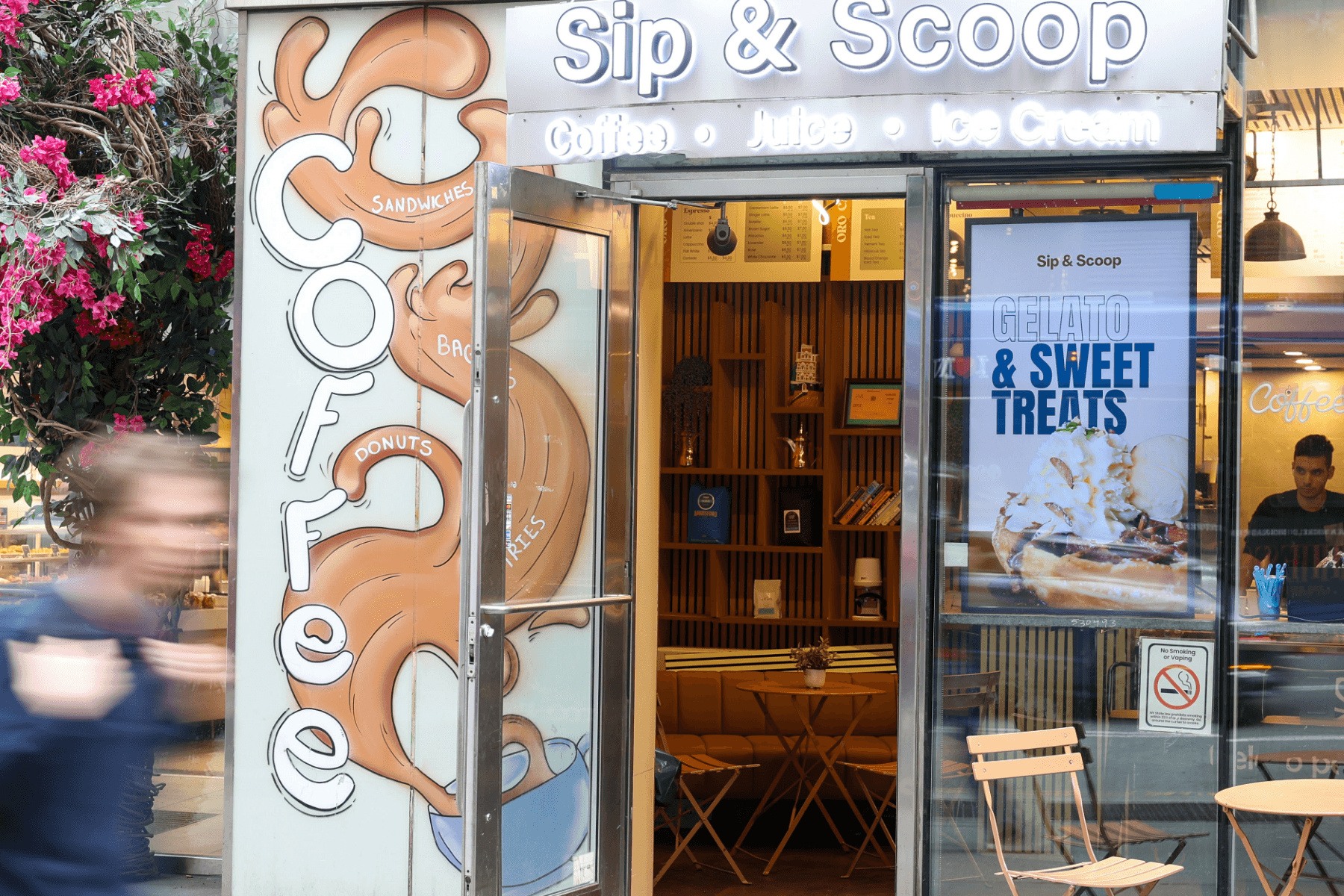
The Rise of Programmatic DOOH: Why Digital Out-of-Home Is Having Its Moment
Programmatic buying transformed digital advertising — and now it is reshaping the physical world. DOOH screens are becoming addressable, measurable, and real-time in ways that were unimaginable a decade ago.
Read post→