For decades, outdoor advertising meant a static billboard on a highway or a poster in a subway car. The format was simple: one message, held for weeks at a time, seen by whoever happened to pass by. That model is changing faster than most of the industry realizes. The convergence of falling hardware costs, ubiquitous connectivity, and mature programmatic buying platforms is producing something the advertising industry has not seen before: a physical world that can be updated as quickly as a webpage.
The Proliferation of the Screen
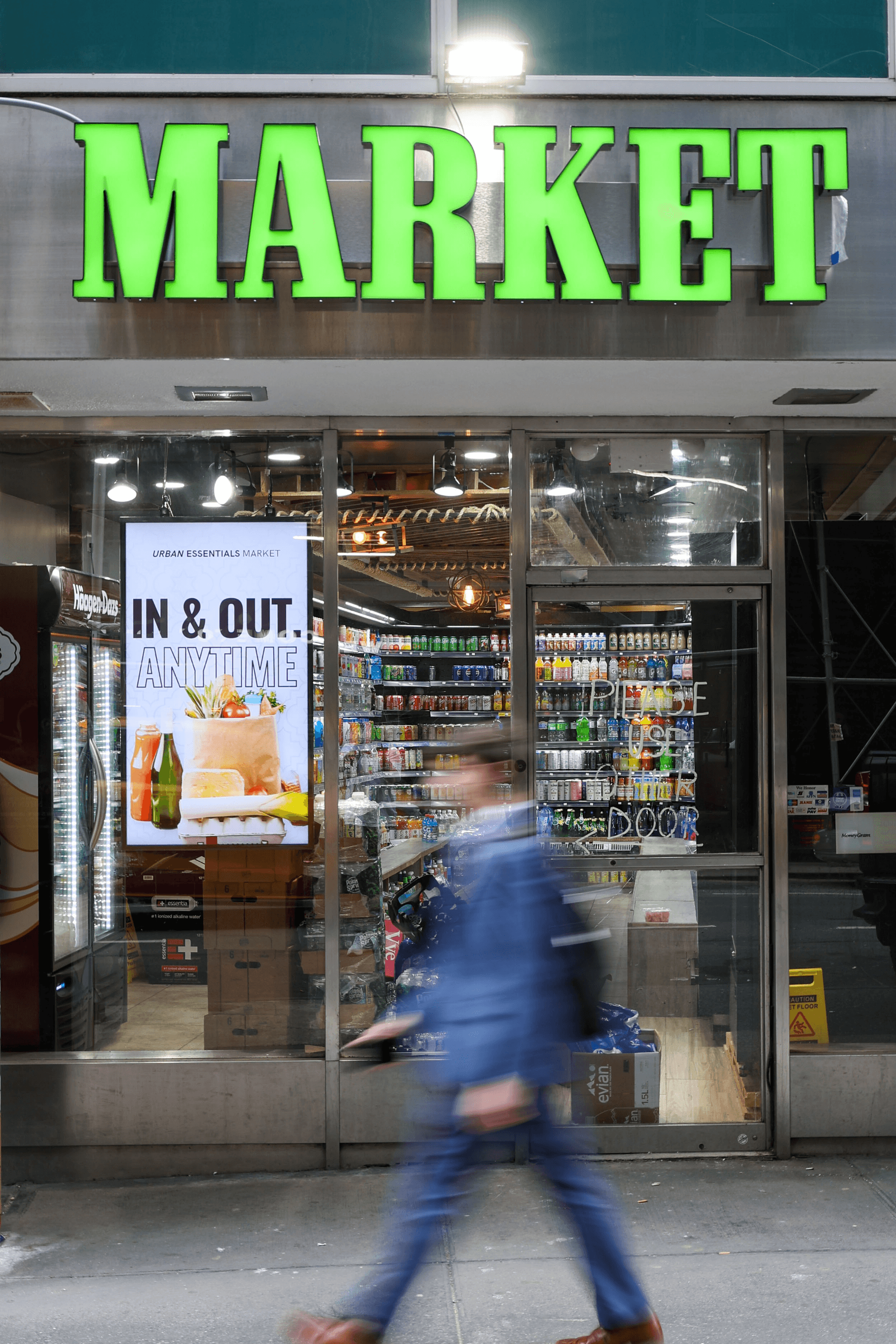
The number of digital screens in public-facing environments has grown exponentially over the past decade. Driven initially by large-format digital billboards, the trend has cascaded downward in size and cost to reach every corner of the built environment. Screens now live in gyms, convenience stores, hair salons, laundromats, hotel lobbies, waiting rooms, and thousands of other venues that were never considered advertising surfaces. The total count of addressable DOOH screens in the United States now exceeds half a million and is growing steadily.
Dynamic Creative at Scale
The defining capability of modern DOOH is dynamic creative: the ability to change what is on screen based on context. A screen in a bar in Miami can run different content than a screen in a gym in Brooklyn, even if they are part of the same campaign. A message can change based on the time of day, the weather outside, local events, or live sports scores. This is advertising that responds to the world around it, and consumers, even if they cannot articulate why, register the relevance. Generic creative that ignores its context is increasingly the exception, not the rule.
The Privacy Advantage
Public screens do not require a login. They do not need cookies. They do not track individuals across sessions. In an era where privacy legislation is reshaping digital advertising and consumers are increasingly wary of surveillance-based targeting, DOOH offers a compliant alternative. Audience targeting happens at the venue and demographic level, not the individual level. This is a fundamental structural advantage as the advertising industry navigates the post-cookie world. The medium is both effective and, by design, privacy-respecting.
The AI Creative Opportunity
The next frontier for DOOH is creative formats that take full advantage of the medium's context. Generative AI is making it possible to produce venue-specific, moment-specific creative at scale — content that is not just adapted from a television spot, but conceived and produced for the physical environment where it will appear. A screen in a neighborhood deli can speak to that neighborhood, in a voice calibrated to who is likely standing in front of it at any given hour. The creative gap between DOOH and digital is closing rapidly, and the tools to close it further are already here.
A Medium Coming Into Its Own
There is a quality to advertising in physical spaces that no digital channel can fully replicate: it exists in the shared world. A message on a screen in a bar is seen by everyone in the room, simultaneously. It can become a moment of collective attention in a way that a post in a social feed — personalized, isolated, ephemeral — cannot. As consumers spend more time managing their digital privacy and less time tolerating interruption, the ambient, contextual, and communal nature of public digital advertising may prove to be its greatest strength for the decade ahead.
Keep reading
More from Sightlines
What Is DOOH Advertising? A Plain-English Guide for Independent Brands
Digital out-of-home is the fastest-growing ad channel almost nobody can explain in one sentence. Here is what it actually is, how buying works, and why the economics finally make sense for brands that are not national.
Read post→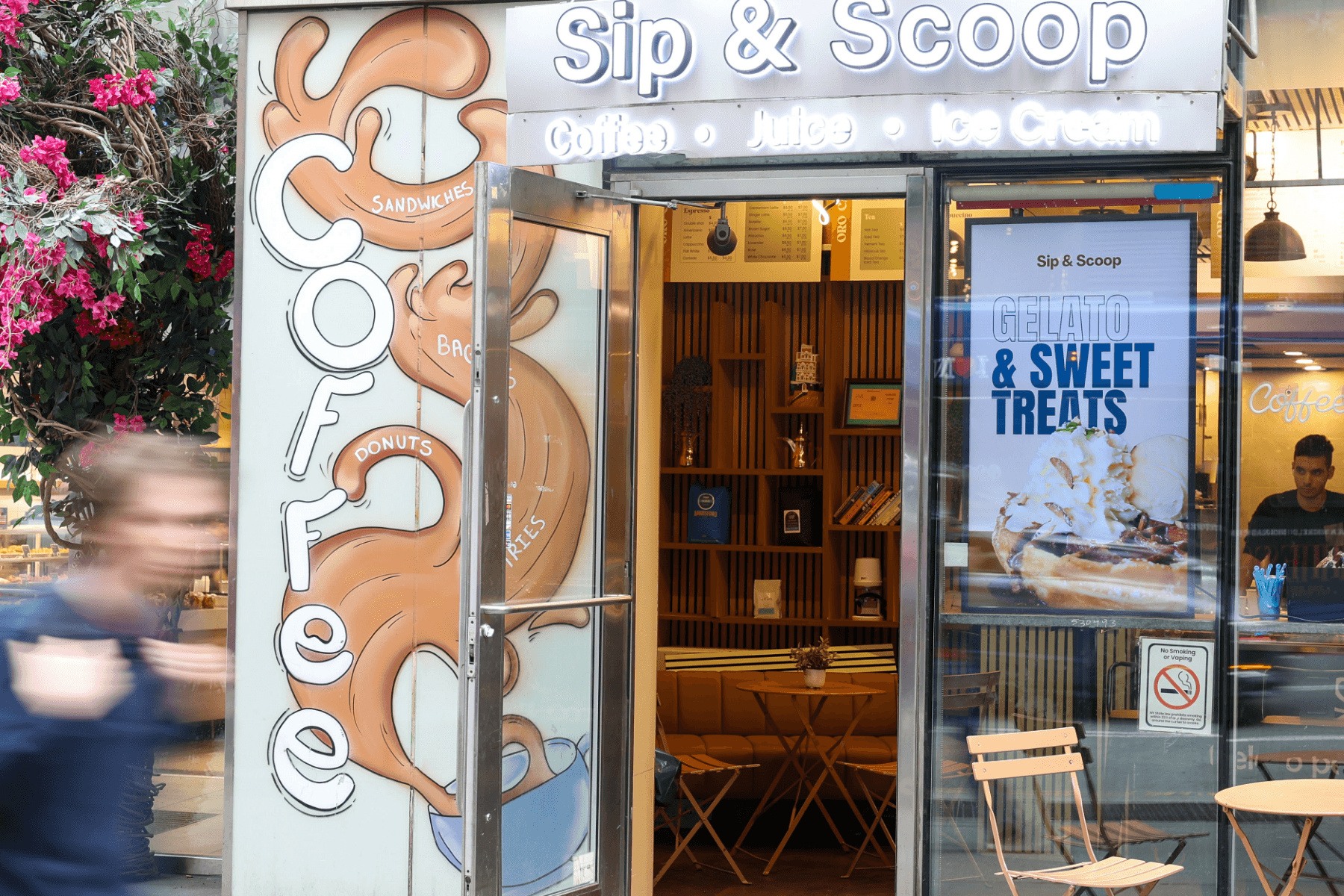
The Rise of Programmatic DOOH: Why Digital Out-of-Home Is Having Its Moment
Programmatic buying transformed digital advertising — and now it is reshaping the physical world. DOOH screens are becoming addressable, measurable, and real-time in ways that were unimaginable a decade ago.
Read post→